Outbound and Paid in the AI Era
Why fewer, sharper touches beat more activity
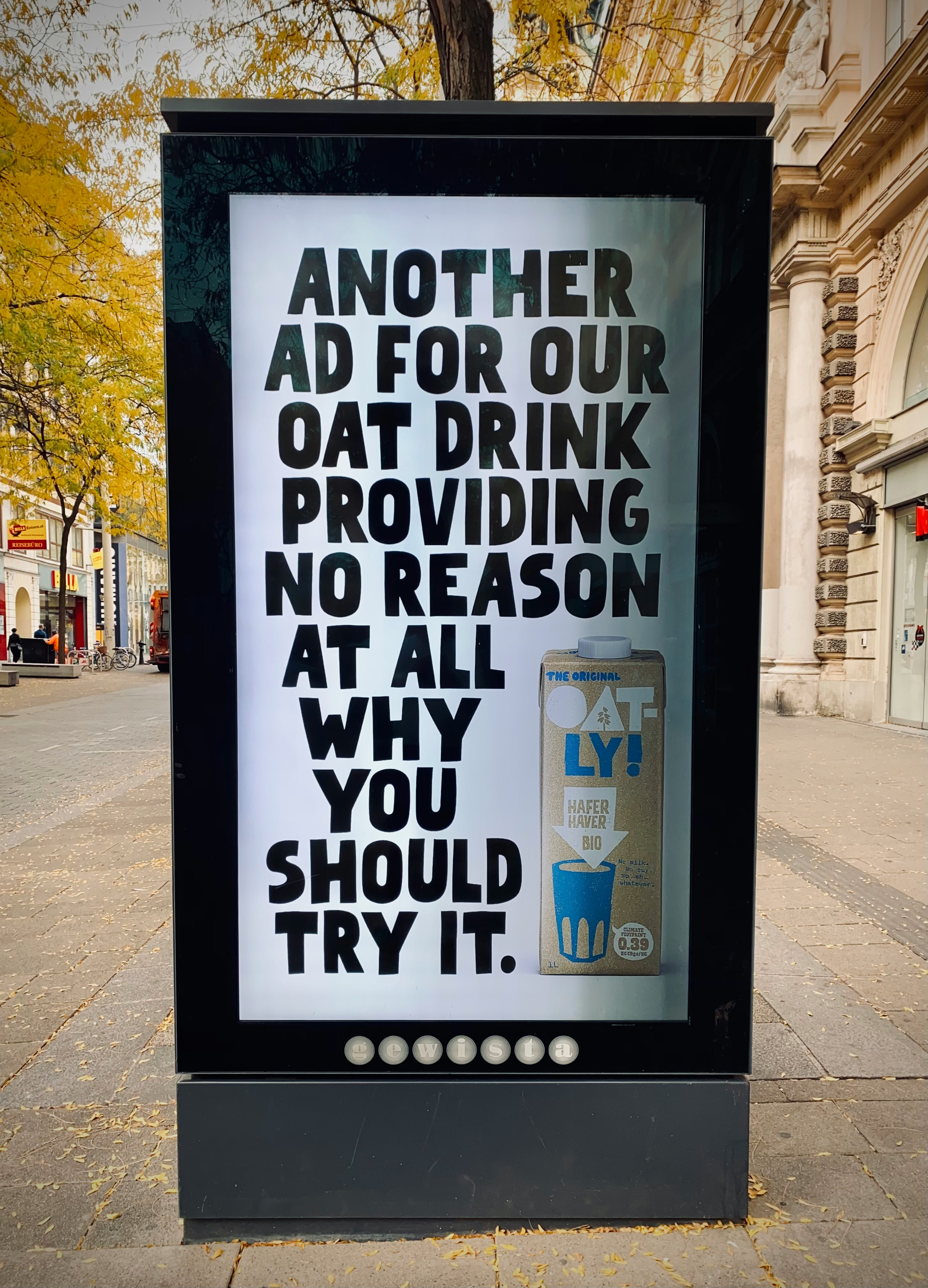
AI made it much easier to send more outbound.
It also made it much easier to waste everyone’s time.
That is the part people tend to leave out of the keynote.
The same thing happened to paid. More creative. More variations. More campaigns. More automation. More dashboards. More opportunities to spend money very efficiently on traffic that was never going to turn into pipeline in the first place.
So yes, AI changed outbound and paid.
But not in the magical “do more at scale” way a lot of people hoped.
More in the “the old volume tricks break faster now” way.
The old math got worse
For years, outbound and paid both had a simple operating fantasy behind them:
If you create enough activity, some of it will convert.
And, to be fair, sometimes that worked.
You could blast enough emails, make enough calls, launch enough campaigns, and eventually catch people who happened to be in market.
It was never elegant. It was just tolerated.
But AI changed the economics of volume.
Now everyone can generate more:
- more sequences
- more subject lines
- more ad copy
- more “personalized” intros
- more audience variations
- more landing pages
- more polite, empty follow-ups pretending this is still a normal human interaction
So volume stopped being a moat.
Once everyone can do more, more stops being impressive.
Outbound is now an activation layer
This is the first big shift.
Outbound should no longer be treated like the primary engine.
It should be treated like an activation layer that fires when real buying motion shows up.
That means outbound works best when it is tied to:
- fit
- triggers
- signals
- proof
- a low-risk next step
Not “it’s Tuesday, send sequence three.”
That version is not strategy. It is just calendar-driven optimism.
A useful outbound motion usually starts because something changed:
- a new leader joined
- a reorg happened
- a stack change created disruption
- a compliance deadline showed up
- a cost mandate hit
- multiple stakeholders started engaging with decision content
- someone visited a decision room, PURL, Trust Center, or ROI asset
That is why I like the phrase speed to signal more than “speed to lead.”
Leads are messy. Signals are more honest.
Paid is now air cover, not persuasion
Paid has a similar problem.
A lot of paid programs still act like the job is to convince cold buyers to care.
That is expensive. And often delusional.
In B2B, paid works better when it does one of three things:
- captures existing intent
- reinforces trust
- expands awareness with proof and POV
That is it.
Search is strongest when intent already exists. Retargeting is strongest when the buyer is already evaluating. LinkedIn is strongest when you are distributing a narrative and proof across a committee over time.
If paid is not doing one of those jobs clearly, it is probably just creating activity and calling it momentum.
Which is a very popular sport.
The real upgrade is not more personalization
This is where people usually get distracted.
They think the answer is better personalization.
No.
The better answer is better relevance.
There is a difference.
Personalization is:
“I saw you work at Company X.”
Relevance is:
“There is a reason teams like yours usually start paying attention to this problem now, and here is proof that the next step can be safe.”
One of those sounds like software wearing a nametag. The other sounds like actual pattern recognition.
Buyers can feel the difference.
What good outbound looks like now
A useful outbound message usually has five parts.
1. Trigger
Why now?
Not in a fake-insider way. In a pattern-recognition way.
2. Insight
What usually happens next in this situation?
This is where you show you understand the problem without pretending you have magical visibility into the org chart and budget process.
3. Proof
One proof anchor. Not a case study dump.
A metric. A customer example. A benchmark. A trusted reference point.
Just enough to make the message believable.
4. Offer
A low-risk next step.
Not always “book a demo.” Usually something safer:
- decision kit
- scorecard
- benchmark
- evaluation checklist
- pilot plan
- trust packet
- short walkthrough
5. CTA
Specific. Easy. Low-drama.
“Want the two-page scorecard?” “Worth sending?” “Should I route this to the person who owns vendor review?”
Those are better than “Can we grab 30 minutes next week to discuss synergies?” which should probably be illegal by now.
What good paid looks like now
Paid works best when the landing experience matches readiness.
This matters more than most people admit.
A few examples:
| Buyer state | Better paid destination |
|---|---|
| Comparing options | Comparison page |
| Evaluating risk | Trust Center / security page |
| Pressure-testing value | Benchmark or ROI model |
| Trying to understand implementation | Implementation page |
| Early curiosity | POV page or use-case explainer |
| High-intent evaluation | Decision kit or pilot offer |
This is the shift.
A generic “book a demo” landing page for every ad is not efficient. It is just lazy standardization.
The page has to match the moment.
Outbound and paid should work together
This is another place teams create unnecessary waste.
Outbound and paid are often run like separate species.
Different language. Different offers. Different proof. Different assumptions about the buyer.
That is dumb.
The better model is coordinated air cover.
If an account is seeing:
- a proof-forward paid message
- a useful POV post
- a comparison page
- a Trust Center
- and then a relevant outbound email tied to a believable trigger
…that feels coherent.
And coherence matters.
Especially now, when buyers are already stitching together their own narratives from multiple sources.
Your job is to make the stitched version stronger, not noisier.
Old model vs. better model
| Old outbound / paid model | Better model |
|---|---|
| Maximize activity | Maximize relevance |
| More touches | Better timing |
| Personalize everything | Prove you understand the pattern |
| Demo as default | Offer a safer next step |
| Run channels separately | Coordinate around the same narrative |
| Optimize for opens and clicks | Optimize for meetings and movement |
That is what modern discipline looks like.
Not less ambitious. Just less wasteful.
The hidden advantage: restraint
One of the odd side effects of AI is that restraint gets more valuable.
When everyone can send more, the teams that win are often the ones that:
- send fewer messages
- route to better pages
- use clearer proof
- move faster on strong signals
- stop trying to force commitment too early
- know when not to chase weak intent
That last one is important.
Not every click deserves a call. Not every visit deserves a sequence. Not every account deserves the same spend.
Discipline beats motion theater.
The operator takeaway
AI did not kill outbound or paid.
It just made bad versions easier to produce.
That means the edge moved.
The winners now are not the teams with the most volume. They are the teams with the best combination of:
- timing
- relevance
- proof
- coordination
- safe next steps
Outbound should activate real motion. Paid should reinforce trust and capture intent. Both should help the buyer move toward confidence, not just toward another touch.
That is the new operating standard.
And honestly, it is a lot better than pretending more activity was a strategy in the first place.
Want the fuller framework?
Get the e-book or the paperback.
Photo by Arno Senoner on Unsplash