Topic

Leadership

Insights and notes grouped by this theme.

Leadership & Career

Don’t Be an Asshole

Being an empathetic leader isn’t about being nice. It’s about unlocking value that command-and-control leadership never will.

What private equity, Stanford researchers, and frontline workers all discovered is surprisingly simple: empathy isn’t soft — it’s a performance driver. Giving employees real equity only succeeded in about 60% of companies. The difference-maker wasn’t industry, revenue, or geography. It was the CEO. Specifically, the CEO’s empathy. When leaders listened, communicated transparently, and treated people with dignity, employee ownership transformed culture, improved engagement, and drove materially higher financial returns.

Read insight
Leadership & Career

Lonely Leaders

Leadership Feels Isolating

Being a CEO comes with a level of solitude. You’re no longer just part of the team; you’re the boss, making decisions that impact lives, futures, and the company’s trajectory. But leadership doesn’t have to mean isolation. The best CEOs stay connected—engaging with employees, customers, and peers to combat loneliness and lead more effectively. Because at the end of the day, the strongest leaders aren’t just at the top—they’re in the trenches.

Read insight
Leadership & Career

Breakfast Smoothies

Book Read

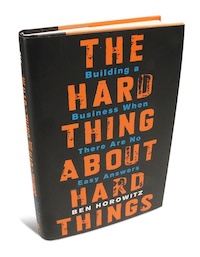
When I was contemplating becoming CEO, many people suggested I read this “old” book. So there I was, lounging under the Cancun sun with a breakfast smoothie (fine, a piña colada) in hand, when Ben Horowitz’s words hit me like an unexpected wave: “There are no silver bullets for this, only a lot of lead bullets. Leadership, I realized, isn’t about waiting for the perfect solution to appear—it’s about persistence, grit, and making tough calls, whether in the boardroom or at a street-side taqueria deciding between tacos and ceviche.

Read insight
Leadership & Career

Kintsugi + Antifragility + Leadership

Embracing Imperfections

The Japanese art of Kintsugi and the modern concept of antifragility offer lessons in leadership. Kintsugi transforms broken pottery into art by highlighting its cracks with golden lacquer, symbolizing beauty in imperfection and strength in repair. Similarly, antifragility, as coined by Nassim Nicholas Taleb, teaches us to thrive amid chaos, leveraging volatility and failure as opportunities for growth. For leaders, this means embracing challenges, fostering innovation, and building systems that don’t just endure disruption but grow stronger because of it.

Read insight